
Find a White Dove Release
Explore thoughtful event planning, responsible bird care, and regional information for ceremonies and special occasions. A live release should be handled by an experienced professional using trained homing pigeons at a suitable site.
Start with the regional planning guide, learn about care for homing birds, or read practical advice in the blog.
Plan with care
Before choosing a provider, ask how the birds are trained and cared for, whether the venue permits a release, and who decides if conditions are safe. In the find a white dove release guide, domestic ringneck doves do not have the homing ability of trained pigeons and should not be released outdoors. Build a flexible schedule and prepare a meaningful alternative in case the handler advises postponing. Keep the flight area clear of traffic, overhead wires, glass, pets, balloons, and loose decorations.
Explore regional information
Browse planning guidance for the United States, Canada, and other areas represented in the archive. These pages explain questions to ask and site considerations; they are not a verified directory of currently available providers. Availability, venue policies, and local rules change, so confirm details directly with the responsible people for your location.
Bird health resources
Bird health pages offer general background and help you prepare for a conversation with an avian veterinarian. They cannot diagnose an individual bird or replace emergency care. If a bird has difficulty breathing, cannot perch, is bleeding, has seizures, or is rapidly weakening, contact a veterinarian promptly.
Choose an alternative
A reading, music, flowers, a shared story, or a quiet pause can carry the meaning of a ceremony without depending on a live release. Discuss access needs with the venue and explain the plan to guests so everyone knows they can take part in the way that feels comfortable.
Review responsible planning standards, browse ideas for special occasions, and use the complete site map to find a topic. Keep decisions flexible and put the welfare of the birds and the comfort of guests first.
Use the regional guide as a question list rather than a promise of availability. It does not verify providers, prices, or current local rules. Before booking, confirm the handler’s experience, service terms, venue permission, travel arrangements, and the plan if conditions change. Share private event details directly with the people coordinating the event instead of posting an address publicly.
Bird health pages are preparation for a conversation with an avian veterinarian, not a diagnosis. A sudden change can have more than one cause, and birds can hide weakness. Keep a short record of what you notice and contact a veterinarian when signs are concerning. This directory helps you find background information; the veterinarian is the right person to assess an individual bird.
What happens on the day of a release
Most handlers arrive between thirty minutes and an hour before the release. The birds travel in a ventilated wicker basket or carrier and rest in the shade while the handler walks the site, checks the sky and agrees the cue with whoever is leading the ceremony. The handler looks at more than the forecast: wind strength, low cloud, the temperature and how many hours of daylight remain all affect whether the birds can fly home safely.
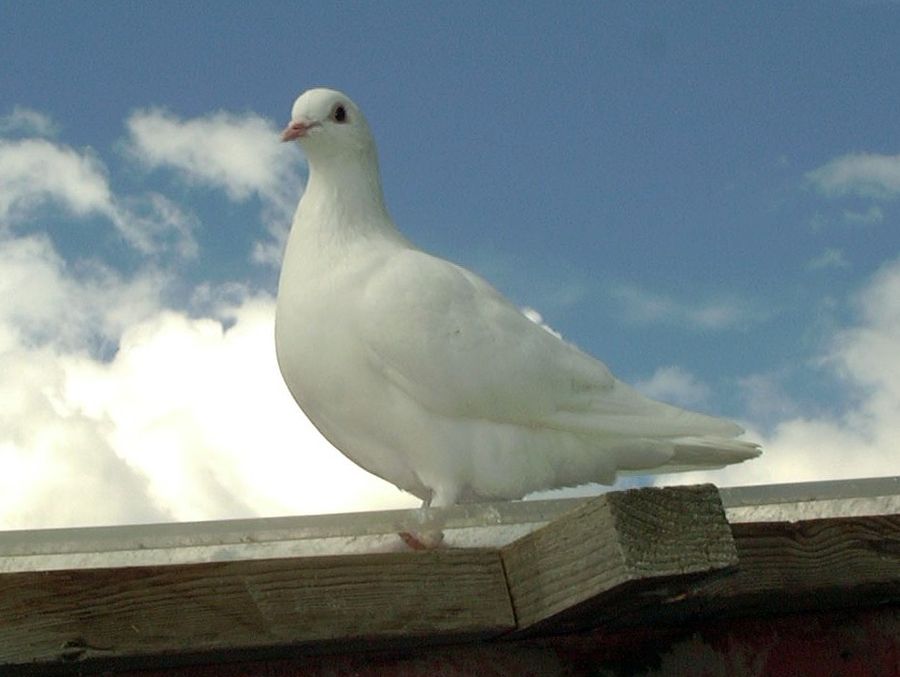
The release itself is over in under a minute. Homing pigeons usually rise, circle once or twice above the guests to get their bearings, and then set off in the direction of their loft. People sometimes expect the birds to linger or land nearby; they will not, and that is a sign they are doing exactly what they were trained to do. Telling guests this beforehand helps the moment feel complete rather than abrupt.
Questions worth asking a handler
A short conversation will tell you a great deal about how a provider treats the birds. These are the questions experienced planners ask:
- How far is your loft from our venue, and how long will the flight home take?
- What weather or light conditions would make you postpone or cancel?
- Are your birds banded, and how are they trained and kept between events?
- If we want one symbolic bird, will it fly with a small group so it does not travel home alone?
- What happens to the booking fee if you decide on the day that a release is not safe?
A provider who answers these openly, and who is comfortable saying no to an unsuitable request, is usually the one to trust. Be wary of anyone who promises a release whatever the conditions.
How homing pigeons find their way back
The birds used for ceremonies are descendants of the same rock pigeons that carried messages for centuries. Their skill is not magic, and it is not unlimited. Research on homing pigeons points to several senses working together: they use the position of the sun as a compass, appear to sense the earth’s magnetic field, and rely heavily on familiar landmarks such as rivers, roads and coastlines once they are closer to home.
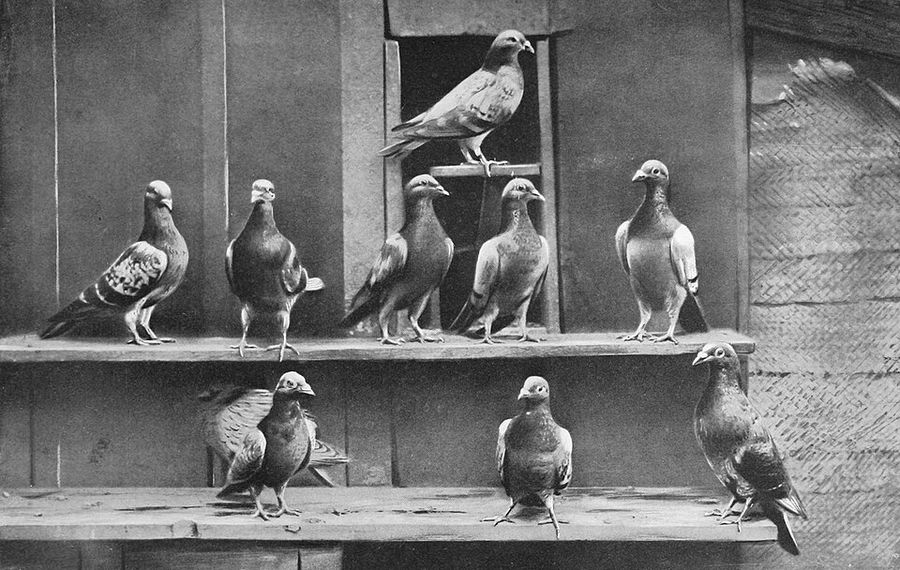
That ability is built through training. Young birds first learn to recognise their loft, then are taken short distances and released, with the distance increased step by step over weeks and months. A responsible handler knows which directions and distances their birds have flown before, which is why a venue far outside that range, or across open water or high hills, may be declined. A pigeon that has never seen the country between your venue and its loft is far more likely to be lost.
A simple planning timeline
Most of the stress around a release disappears when the decisions are made in the right order. A workable sequence looks like this:
- Three to six months ahead: check that the venue allows a release, then contact handlers who serve the area and ask the questions above.
- One to two months ahead: confirm the booking in writing, agree the exact place for the basket, and decide who gives the cue during the ceremony.
- One week ahead: share the run of show with the officiant and photographer, and choose the quiet alternative you will use if the release is called off.
- On the day: keep a clear area around the basket, brief guests in a sentence or two, and leave the final decision about the weather to the handler.
Memorials rarely allow months of planning, and that is fine. The same steps can be covered in a day or two if the venue and handler are contacted straight away.
Weddings, memorials and other occasions
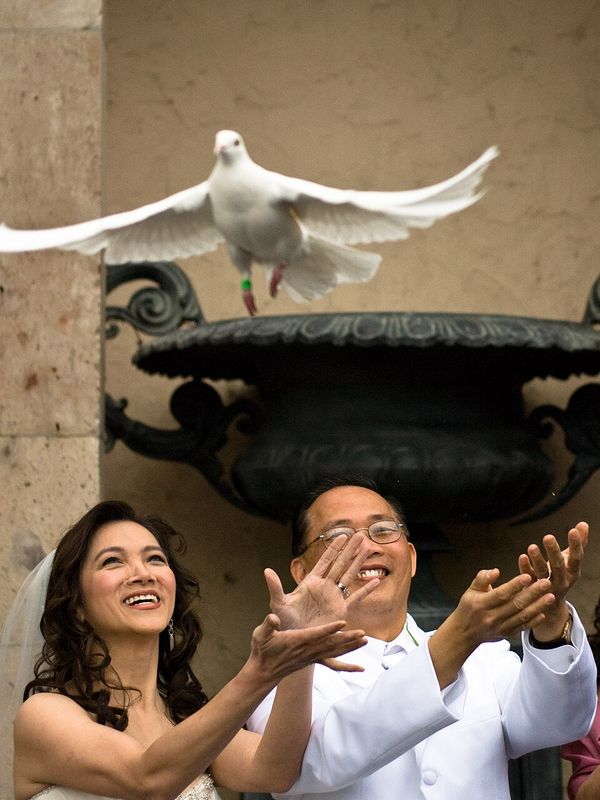
At a wedding, the release often follows the vows or the first walk out of the ceremony, when guests are already gathered and facing the same way. A pair of birds is a common choice, sometimes followed by a larger group. Photographers appreciate knowing the exact moment in advance and where the basket will be opened, so they can stand to one side of the flight path.

Memorial and funeral releases tend to be quieter. Families sometimes ask a grandchild or close friend to open the basket, or release a single bird for the person being remembered before a small flock joins it. Graveside releases need the cemetery’s permission, and trees close to the grave can make the take-off difficult, so the handler may suggest a more open spot nearby.
Hospice gatherings, anniversaries, school events and community commemorations follow the same principles: an open site, permission from whoever manages the land, a handler who knows the birds, and a plan that still works if the release has to be called off.
Seasons and timing
Late spring to early autumn is the busiest period for releases, but summer brings its own limits. On very hot days, handlers prefer morning or late-morning releases and keep the birds’ time in the basket short. In autumn, when many birds of prey are on migration, some handlers become more cautious, and in colder regions some pause releases entirely through midwinter. Short winter days also leave less light for the journey home. If your date falls outside the main season, raise it in your first conversation rather than assuming a release will be possible.
Looking after the birds before and after
The birds’ day starts long before the ceremony. A careful handler gives them water and a light feed at the loft, travels with good ventilation, and keeps the basket out of direct sun and away from loud music, generators and curious dogs while they wait. Guests can see the birds, but passing them from hand to hand or keeping them out for photographs for a long time adds stress, so most handlers allow only a brief, calm look.
After the release, the handler’s job is not finished until the birds are home. Many handlers check their loft later that day and are happy to tell you when the birds arrived. If a bird ever turns up in your garden after an event, it is almost certainly tired rather than lost for good: offer water, keep pets away, and look for a ring on its leg, which can help trace the owner. Our lost bird page explains the next steps in more detail.
Frequently asked questions
Are the birds at a white dove release really doves?
Almost always they are white homing pigeons. Pigeons and doves belong to the same bird family, and the white racing homer is a rock pigeon bred for colour and a strong homing instinct. The word dove is simply the gentler name used at ceremonies. What matters is not the name but whether the bird was trained to fly home.
How far ahead should we book a handler?
For a spring or summer wedding, several months ahead is sensible, because handlers often have only a few birds ready to fly on a given day. Memorials are usually arranged at short notice, and many handlers keep some capacity for funerals for that reason. Either way, ask early whether your venue and date are within the distance the birds are trained to fly.
What if the weather turns on the day?
The handler makes the final call, and a good one will cancel rather than send birds into heavy rain, fog, strong wind or failing light. Agree in advance what happens to the fee in that case and which quiet alternative will take the release’s place in the programme, so nobody has to improvise in front of guests.
Can we buy doves and release them ourselves?
No. Doves sold as pets, including ringneck doves and white king pigeons, have no reliable way home and usually starve or are taken by predators within days. A release is only responsible when trained birds are handled by the person who will be waiting for them at their loft.
Can a release happen in the evening or indoors?
Neither is a good idea. Homing pigeons need daylight for the whole journey back, so most handlers will not release late in the afternoon, and a bird let go indoors or under a marquee can panic and injure itself. Plan the moment for a time when there are still several hours of light left.