
Planning a Dove Release Ceremony with Care
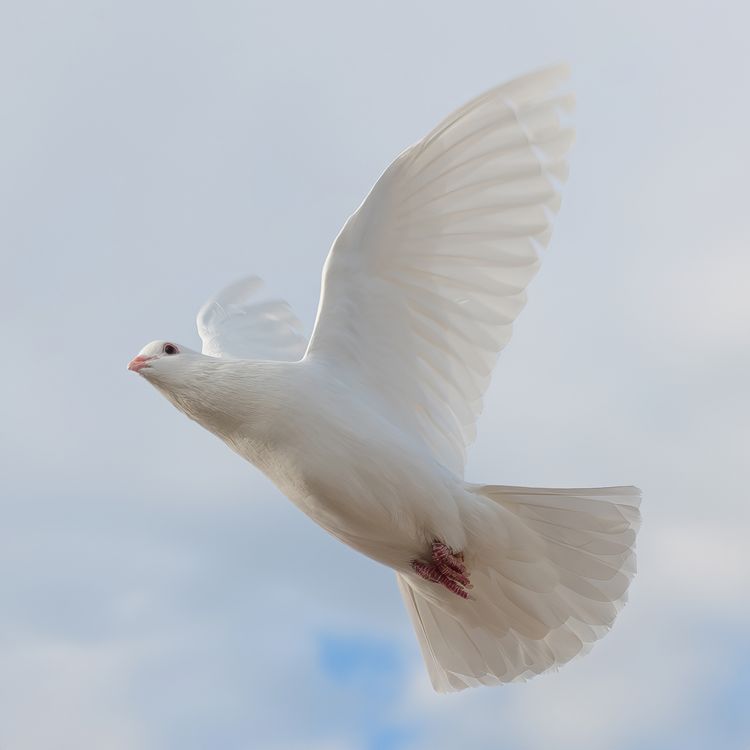
Start with the purpose
A ceremony feels more personal when its purpose guides the practical choices. A wedding, memorial, anniversary, or community gathering may call for a different pace and tone. Decide what the moment should express, who will take part, and how much time the program can allow. A brief conversation among the host, officiant, venue manager, and bird handler can turn those ideas into a plan everyone understands.
Choose the place before the schedule
Ask the venue whether a bird release is permitted before announcing it. The selected area should be open, calm, and away from roads, overhead wires, glass, dense tree cover, and crowds. A handler familiar with the site can assess a clear flight path and the birds’ return conditions. A scenic location is not automatically a safe location. If the venue cannot offer an appropriate area, a symbolic alternative can still preserve the meaning of the ceremony.
Ask how the birds are cared for
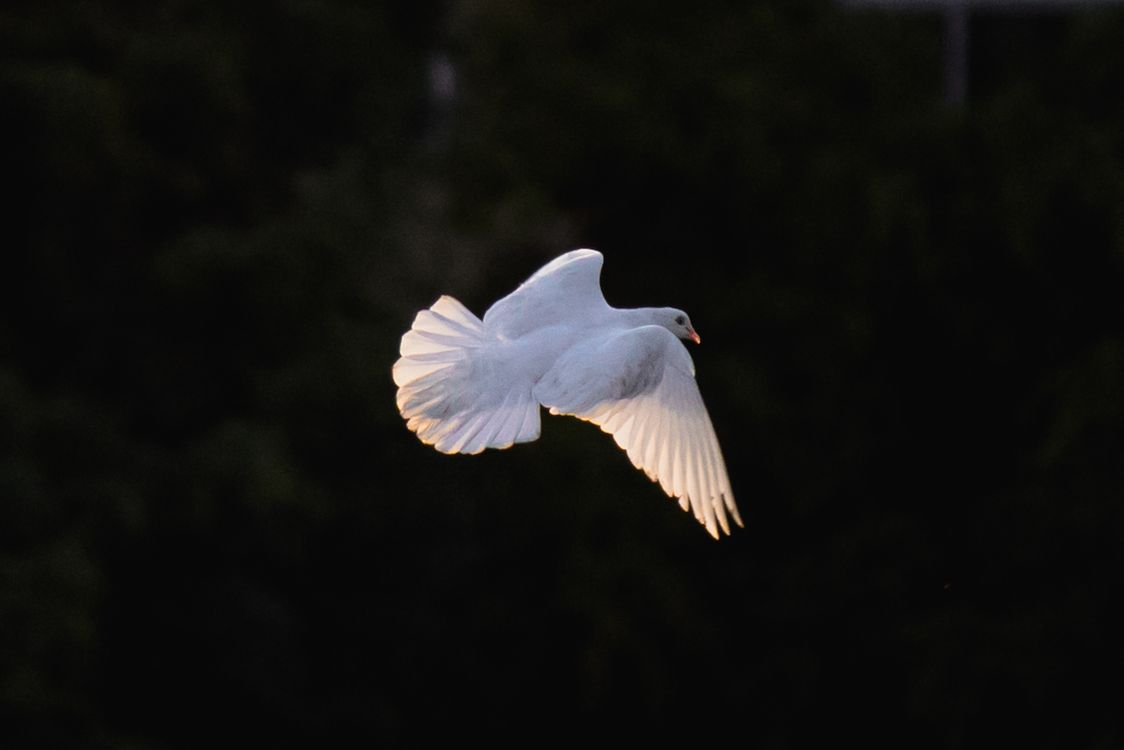
Ask the provider to identify the birds and describe their training, transport, housing, and return to the loft. Trained homing pigeons are used for releases because they are conditioned to return to their home loft. Domestic ringneck doves do not share this homing ability and should not be released outdoors. A careful provider welcomes questions and explains that weather, daylight, distance, and surroundings can affect whether a release proceeds.
- Confirm written permission for the chosen location and ceremony time.
- Name the person who relays a weather or access change to guests.
- Choose a quiet alternative that can begin without outdoor setup.
Build a flexible run of show
Place the moment after guests have gathered and before people begin moving toward vehicles or a reception. Keep a small buffer in the schedule so the handler can wait for a suitable moment. Tell the photographer where to stand without crossing the flight path. Let guests know not to crowd the birds, wave objects, or chase them. One calm cue from the officiant is often enough; loud sound effects and sudden movement add stress without improving the experience.
| Decision | Details to settle |
|---|---|
| Bird welfare | Training, transport, the return route, and the handler responsible |
| Working area | Venue approval, arrival point, guest boundary, and open flight space |
| Schedule change | Who can pause the program and how the alternative begins |
Plan for weather and a change of plan
Wind, rain, temperature, visibility, and nearby activity can all affect a release. Agree in advance who makes the final decision and how a delay or cancellation will be communicated. A useful backup could be a reading, a moment of silence, a shared photograph, or the planting of a flower. Confirm the provider’s postponement and cancellation terms in writing, including travel fees and any deadlines for a decision.
Keep the setting free of hazards
Avoid balloons, confetti, loose ribbon, smoke, and plastic decorations that can become litter or entangle wildlife. Keep pets away from the release area and ask guests to leave a clear route for the handler. Children can participate by reading a short message or placing a flower with an adult nearby. These small details help the moment remain calm and make it easier for everyone to focus on the ceremony.
A sample timeline
For example, a 20-minute ceremony might begin with guest arrival, continue with welcome remarks and a reading, then include a short release decision check by the handler. If conditions are suitable, the officiant introduces the moment, guests stay behind a marked line, and the handler manages the birds. The program then continues with a closing reflection and a clear transition to the next activity. If the handler advises against release, the same program can move directly to the prepared alternative.
Make the booking clear
Before paying, request a written agreement that names the venue, date, arrival window, responsibilities, travel, fees, weather decision, and cancellation terms. Ask who will be present on the day and what equipment or space is required. Keep a copy with the event schedule and share relevant details with the venue. A provider should not promise an exact flight path or guaranteed return under every circumstance; responsible planning leaves room for nature and safety.
A meaningful moment does not depend on spectacle
The best ceremony is one that feels considered and kind to the people and animals involved. A quiet pause, a thoughtful reading, or a release led by an experienced handler can be memorable without elaborate staging. When the site or conditions are unsuitable, choosing the alternative is part of honoring the moment. For more preparation, see our guides to [release options](/why-release-dove/), [bird care](/dove-care/), and [regional planning](/find-a-release/).
Make the final review calm and practical
In the last few days, the host and handler can walk through the schedule once without turning the gathering into a rehearsal. Confirm the arrival point, where equipment may be placed, and how guests will be invited to watch from a safe distance. Agree on a short phrase the officiant can use if the timing changes. Keep the alternative ready in the same program so a pause feels natural. On the day, give the handler room to observe the site and make an independent decision. The ceremony can continue with its reading, music, or shared moment even if the birds remain safely at home.