
Homing Pigeons, Doves, and Responsible Releases
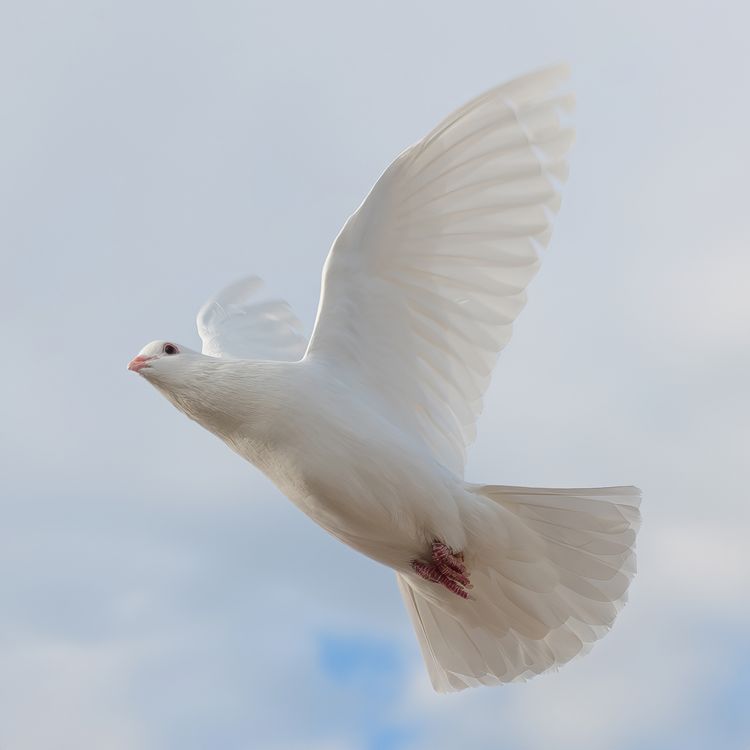
Names can be confusing
People often use “dove” as a broad word for several birds, but the species and training matter when a ceremony involves a release. Professional releases commonly use domestic homing pigeons, descendants of the rock pigeon that have been selectively bred and trained to return to a familiar loft. Their white feathers make them visible at events, while their homing behavior makes a managed return possible when conditions and distance are appropriate.
Homing behavior is not a guarantee
A homing pigeon learns its home location through repeated training and experience. That does not mean every bird can find its way from any place or in any weather. Distance, wind, visibility, daylight, health, age, transport, and unfamiliar surroundings can affect a flight. A responsible handler considers these factors and may decide to wait or cancel. Claims of guaranteed performance should prompt follow-up questions.
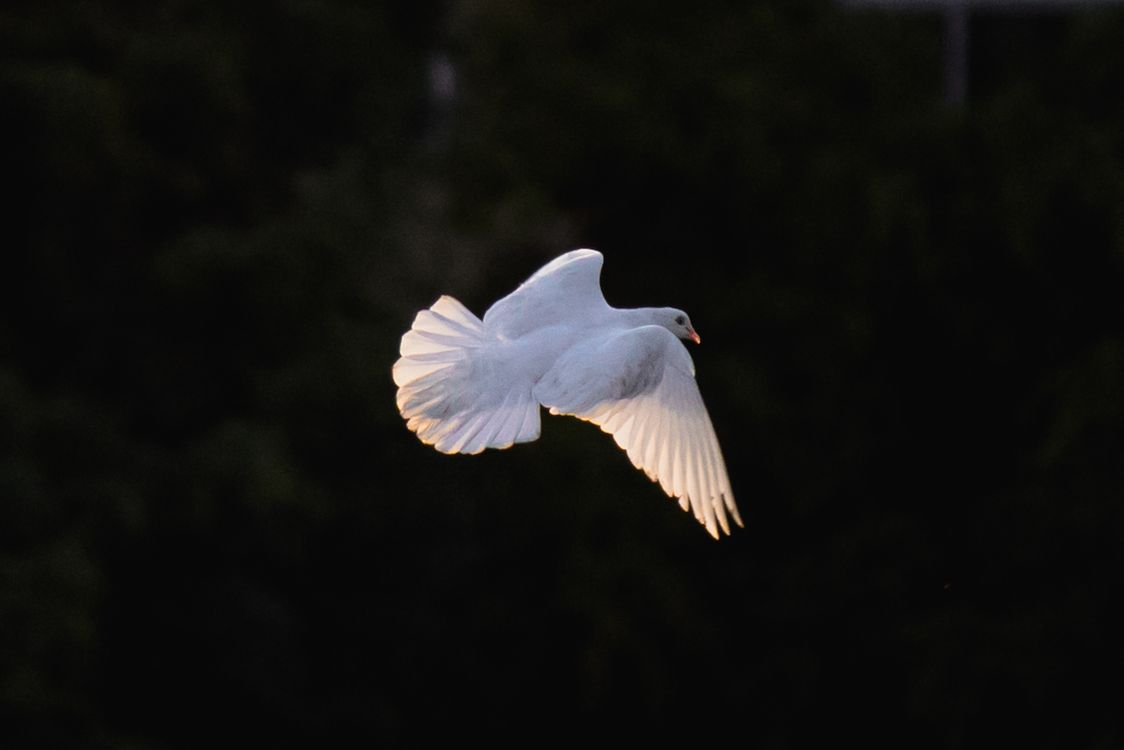
Domestic doves have different needs
Ringneck doves are a smaller domestic species often associated with symbolic ceremonies. They do not have the same homing ability as trained pigeons and should not be released outdoors. A bird that cannot return to a protected home may face predators, hunger, traffic, and severe weather. If a ceremony includes a white bird, ask for the species by name and ask how it will be safely returned and cared for afterward.
- Ask the handler to name the species and explain the birds’ conditioning.
- Discuss distance, daylight, weather, and how the return is monitored.
- Agree that the handler may keep the birds home when conditions are poor.
What a responsible handler should explain
Ask where the birds live, how they are trained, how they travel, and who assesses conditions on the day. The provider should explain the carrier or basket, the release location, the distance involved, and how the birds return to their loft. Ask how birds are protected from heat and cold while waiting. A clear answer shows that the birds’ care is central to the service rather than an afterthought.
| Subject | A clear answer describes |
|---|---|
| Conditioning | How the flock learns and returns to its own loft |
| Journey | Transport, distance, daylight, and access at the chosen site |
| Handler’s call | Which conditions lead to waiting or canceling the flight |
Questions that help compare providers
A short comparison can focus on practices rather than presentation. Ask whether the birds are trained homing pigeons; how long they have been conditioned; what happens if weather turns; whether the handler can refuse an unsafe release; and how the flock is cared for after the event. Ask for written terms and for any venue requirements. The answers should be direct, specific, and consistent with the welfare of the birds.
Planning a safe event setting
Select an open area with a clear route away from roads, power lines, tall glass, and dense obstacles. Keep guests at a distance that lets the handler work calmly. Do not throw birds into the air, encourage guests to chase them, or add loud sounds to prompt a flight. Avoid confetti and balloons that can become hazards. The handler should manage every bird and choose the moment, while guests follow simple instructions.
Example: changing the plan
Imagine an outdoor wedding scheduled at sunset. The venue looks attractive, but the only open lawn sits beside a busy road and the wind has picked up. A thoughtful provider can explain the concern and recommend moving the ceremony, waiting, or using a symbolic alternative. The couple can still share a meaningful moment through a reading or quiet reflection. A flexible plan protects the birds and prevents pressure to proceed simply because guests are waiting.
Care continues after the ceremony
A release service does not end when the birds leave the guests’ view. The handler needs to monitor the flight, confirm the return, and keep the loft and flock in suitable condition. When discussing a booking, ask how the service verifies return and what steps are taken if conditions change. These questions are reasonable because the birds’ well-being is part of the event.
Choose clear information over broad promises
A responsible release depends on trained birds, an appropriate site, suitable conditions, and experienced handling. If any of these pieces are uncertain, ask more questions or choose another way to mark the occasion. Explore the site’s [planning guide](/blog/planning-a-dove-release-ceremony/), [bird care overview](/dove-care/), and [regional directory information](/find-a-release/) before setting a date.
Follow up on the birds’ care after the flight
A conversation about homing behavior should include the full routine around a release, not only the brief moment guests see. Ask where the birds wait before the event, how the handler protects them during transport, and how the return is confirmed. Invite a plain explanation of what distance and conditions are suitable for that flock. Avoid interpreting a white appearance as proof of species or training. The handler’s answers should connect the birds’ preparation, the selected site, and the decision to proceed. If any part is uncertain, delay the booking conversation until the care plan is clear.