
Thoughtful Memorial Ceremony Ideas for Families
Begin with the person you are remembering
A memorial can be quiet, brief, and deeply personal. Start by asking what the person enjoyed, what the family needs, and what setting will feel comfortable. A favorite poem, a few memories shared by friends, a piece of music, or a simple pause can give the gathering shape. There is no single correct format. The goal is to create space for remembrance without asking guests to perform grief in a particular way.
Choose a place that supports reflection
Consider accessibility, seating, weather cover, sound, parking, and privacy. A garden or waterfront may feel peaceful, while a family home or community room may be easier for guests. Ask the venue about decorations, candles, flowers, amplified sound, and any activity involving animals. If the event is outdoors, make a rain and heat plan and share it with guests ahead of time. Small practical details help people feel cared for.
Use a simple ceremony outline
A short order of events can help a gathering feel steady: welcome, a reading or song, one or two shared memories, a symbolic action, and a closing invitation to stay together. Let guests know how long the formal part will last. Offer a choice to participate or simply listen. A memory table, handwritten notes, or a shared collection of photographs can include people who would rather not speak in front of a group.
- Check seating, step-free access, weather cover, and a quiet place to pause.
- Invite memories without asking every guest to speak publicly.
- Offer a symbolic activity that works indoors as well as outdoors.
Consider symbolic gestures
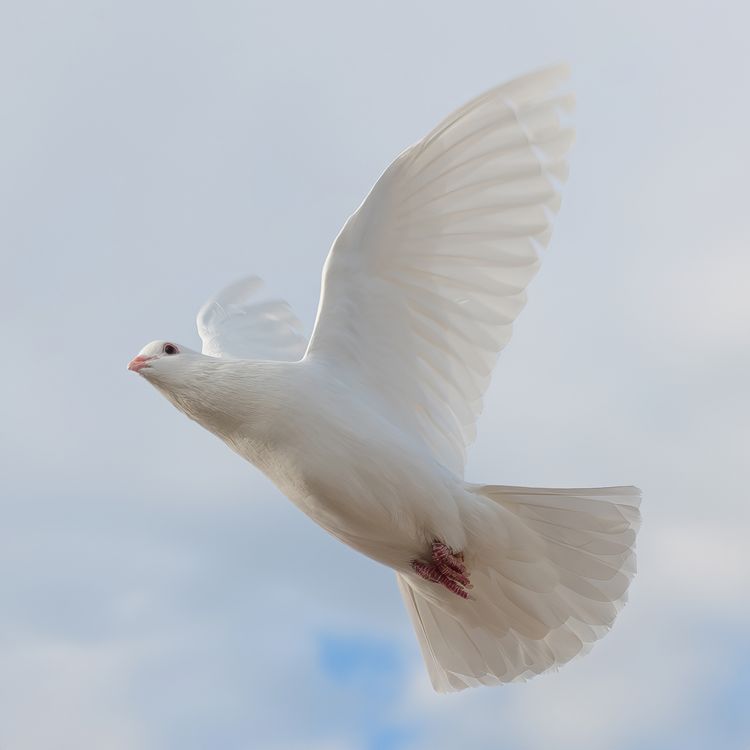
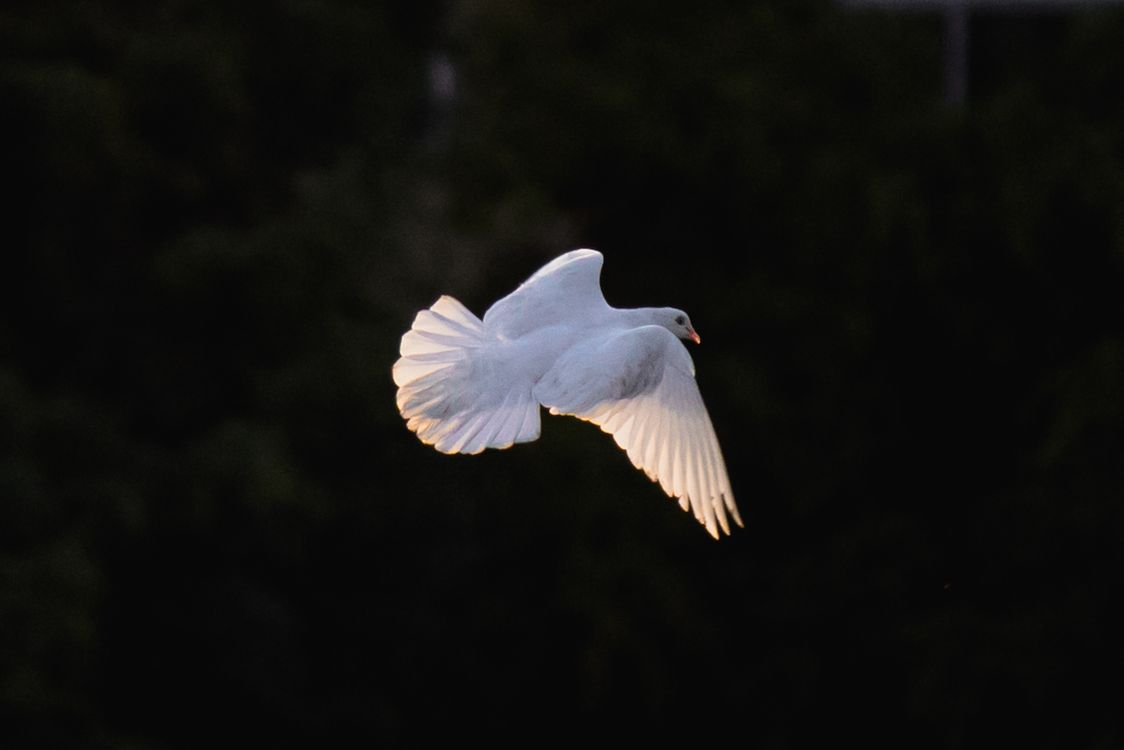
A symbolic action can be meaningful without creating a physical hazard. Families might light an electric candle, plant a native flower, place a stone in a memory garden, or share a favorite recipe. If considering a live bird release, first confirm that the birds are trained homing pigeons managed by an experienced handler. Domestic ringneck doves should not be released outdoors. The venue and handler should assess the location and conditions before the date.
| Guest need | An option to consider |
|---|---|
| Comfort | Seating, shade, an easy route, and a quiet room nearby |
| Participation | A memory card, poem, song, or time to listen |
| Weather | An indoor version that keeps the same meaning |
Make a clear plan for children and guests
Children may benefit from a simple explanation of what will happen and an adult who can step away with them. Provide chairs, shade, water, and a quiet space where guests can take a break. Avoid putting anyone on the spot to speak. A printed program can include the order of events and a short note about any symbolic element. Clear expectations make it easier for guests to take part in the way that feels right to them.
A sample memorial gathering
For example, a 30-minute garden memorial might begin with a welcome and a brief explanation of the gathering. A family member can read a poem, followed by several short memories. The group might then plant a flower or take a quiet moment. If a trained bird release is planned and conditions are suitable, the handler explains where guests should stand and manages the release. The closing can invite everyone to share refreshments and conversation.
Create a plan B with equal care
Weather, venue rules, or family preferences may change. Decide in advance what the ceremony will become if an outdoor activity cannot proceed. A reading, a shared photograph, a moment of silence, or music can carry the same intention. If using live birds, agree that the handler can postpone or cancel when needed, without being pressured by the schedule. The alternate plan should be ready to use rather than improvised in a difficult moment.
Keep logistics gentle
Choose one person to coordinate with the venue and one person to welcome guests. Share arrival details, accessibility information, dress suggestions, and the expected length of the gathering. If flowers or keepsakes are involved, tell guests what to bring and whether the site allows them. Keep the schedule short enough for people to remain comfortable, especially if travel or weather adds stress.
Make room for different ways of remembering
Some guests will want to talk; others may prefer quiet company. Offer a few ways to participate and make it clear that each is welcome. A thoughtful memorial honors both the person being remembered and the people who gather. Find more ideas in our [ceremony planning article](/blog/planning-a-dove-release-ceremony/), read about [responsible release practices](/blog/understanding-homing-pigeons-and-releases/), or visit the [special occasions guide](/occasions/).
Give guests a gentle way to take part
A family member can review the outline with the venue before invitations go out, especially when guests have different mobility, sensory, or emotional needs. Tell people how long the formal portion will last and whether they can remain seated or step away. If the gathering includes an outdoor element, explain the indoor option in advance rather than waiting for poor weather. Keep personal stories and photographs within the group unless the family has agreed to share them. These choices help the memorial feel welcoming without making any guest responsible for holding the event together.